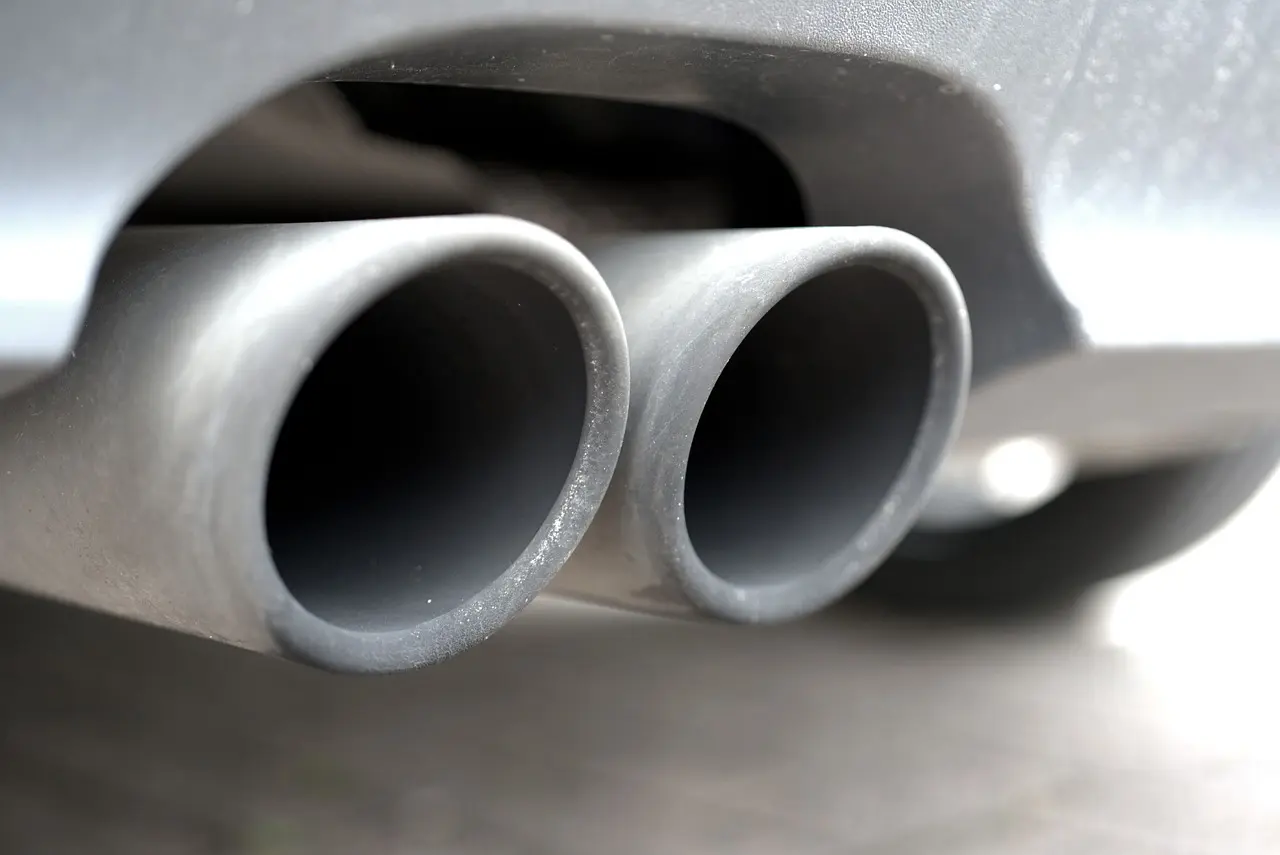
A diesel engine usually has a sharp, oily exhaust smell, but it should not smell strongly like raw, unburned fuel.
When your diesel exhaust smells like raw fuel, it is a warning sign that combustion inside the engine is not happening the way it should. This smell is more than just unpleasant—it reveals problems that can affect performance, fuel economy, and engine life.
Understanding what causes this smell helps you catch issues early before they turn into expensive repairs.
What Does a Raw Fuel Smell Mean in a Diesel Engine?
Diesel engines work by compressing air until it gets extremely hot, then injecting fuel that ignites from heat alone. When everything works correctly, almost all the fuel burns inside the cylinder.
A raw fuel smell means some diesel is leaving the engine without burning completely. This unburned fuel travels through the exhaust system and comes out as a strong fuel odor. In simple terms, your engine is wasting fuel and losing efficiency.
Common Reasons Diesel Exhaust Smells Like Raw Fuel
Incomplete Combustion
Incomplete combustion is the most common cause. It happens when fuel does not ignite fully inside the cylinder. This can be due to low combustion temperature, poor air supply, or incorrect fuel delivery.
When combustion is weak, fuel droplets survive the burn and exit through the exhaust.
Faulty or Dirty Fuel Injectors
Fuel injectors are responsible for spraying diesel in a fine mist. If an injector is dirty, clogged, or worn out, it may spray fuel unevenly or leak.
Instead of a fine mist, fuel enters the cylinder in large droplets that do not burn properly. The result is raw fuel smell, rough running, and sometimes white or gray smoke.
Low Engine Temperature
Diesel engines need heat to burn fuel efficiently. If the engine runs too cold, combustion suffers.
Common reasons include:
- Stuck-open thermostat
- Short trips that never let the engine warm up
- Cold weather combined with weak glow plug operation
Cold combustion allows fuel to pass through unburned, creating the raw diesel smell.
Glow Plug Problems
Glow plugs heat the air in the cylinder during cold starts. If they fail or work weakly, fuel injected during startup may not ignite fully.
This is why raw fuel smell is often strongest:
- Right after startup
- In cold mornings
- During idle when the engine is still warming
Bad glow plugs can also cause misfires and white exhaust smoke.
Incorrect Air-to-Fuel Ratio
Diesel engines need the right balance of air and fuel. If there is too much fuel or not enough air, combustion becomes incomplete.
Possible causes include:
- Dirty air filter
- Faulty mass airflow sensor
- Boost leaks in turbocharged engines
When airflow drops, fuel cannot burn fully and escapes as raw diesel vapor.
Low Compression
Compression is what creates heat in a diesel engine. If compression is low due to worn piston rings, damaged valves, or cylinder wear, fuel will not reach the temperature needed to burn completely.
Low compression often comes with:
- Hard starting
- Loss of power
- Fuel smell in exhaust
- Increased fuel consumption
Injection Timing Issues
Diesel fuel must be injected at the right moment. If timing is off and fuel is injected too late, combustion occurs too slowly or not at all.
Late injection timing can cause:
- Raw fuel smell
- Knocking or rattling sounds
- Poor throttle response
Modern engines rely on sensors and engine control units to manage timing, so sensor failures can also play a role.
What the Smell Reveals About Combustion Health
A diesel exhaust that smells like raw fuel is telling you one clear thing: combustion efficiency is low.
Healthy combustion means:
- Fuel burns completely
- Exhaust smells sharp but not sweet or raw
- Power delivery is smooth
- Fuel economy stays normal
When raw fuel smell appears, it reveals:
- Wasted fuel
- Increased emissions
- Higher engine stress
- Possible damage to exhaust components
Why You Should Not Ignore Raw Fuel Smell
Ignoring this smell can lead to serious problems over time.
Unburned diesel can:
- Damage the catalytic converter or diesel oxidation catalyst
- Dilute engine oil, reducing lubrication
- Cause carbon buildup on pistons and valves
- Increase exhaust system corrosion
What starts as a smell can turn into costly engine or emissions system repairs.
Simple Checks You Can Do First
Before heading to a repair shop, a few basic checks can help narrow down the issue.
- Check for warning lights on the dashboard
- Inspect the air filter for dirt or blockage
- Notice when the smell is strongest (cold start, idle, acceleration)
- Watch exhaust smoke color
These details help technicians diagnose the problem faster.
When to Seek Professional Diagnosis
If the raw fuel smell continues after warm-up or comes with poor performance, it is time for a professional inspection.
A technician may:
- Test injectors for leakage or spray pattern
- Check glow plug resistance
- Scan engine sensors
- Measure compression levels
Early diagnosis often saves money and prevents engine damage.
Final Thoughts
When diesel exhaust smells like raw fuel, it is not just an odor problem—it is a clear signal that combustion inside the engine is incomplete.
Whether caused by injectors, glow plugs, low compression, or airflow issues, the smell reveals wasted fuel and reduced engine efficiency.
Paying attention to this warning helps protect your engine, improve fuel economy, and keep your diesel running clean and strong. Catching combustion problems early is always cheaper than fixing the damage they leave behind.