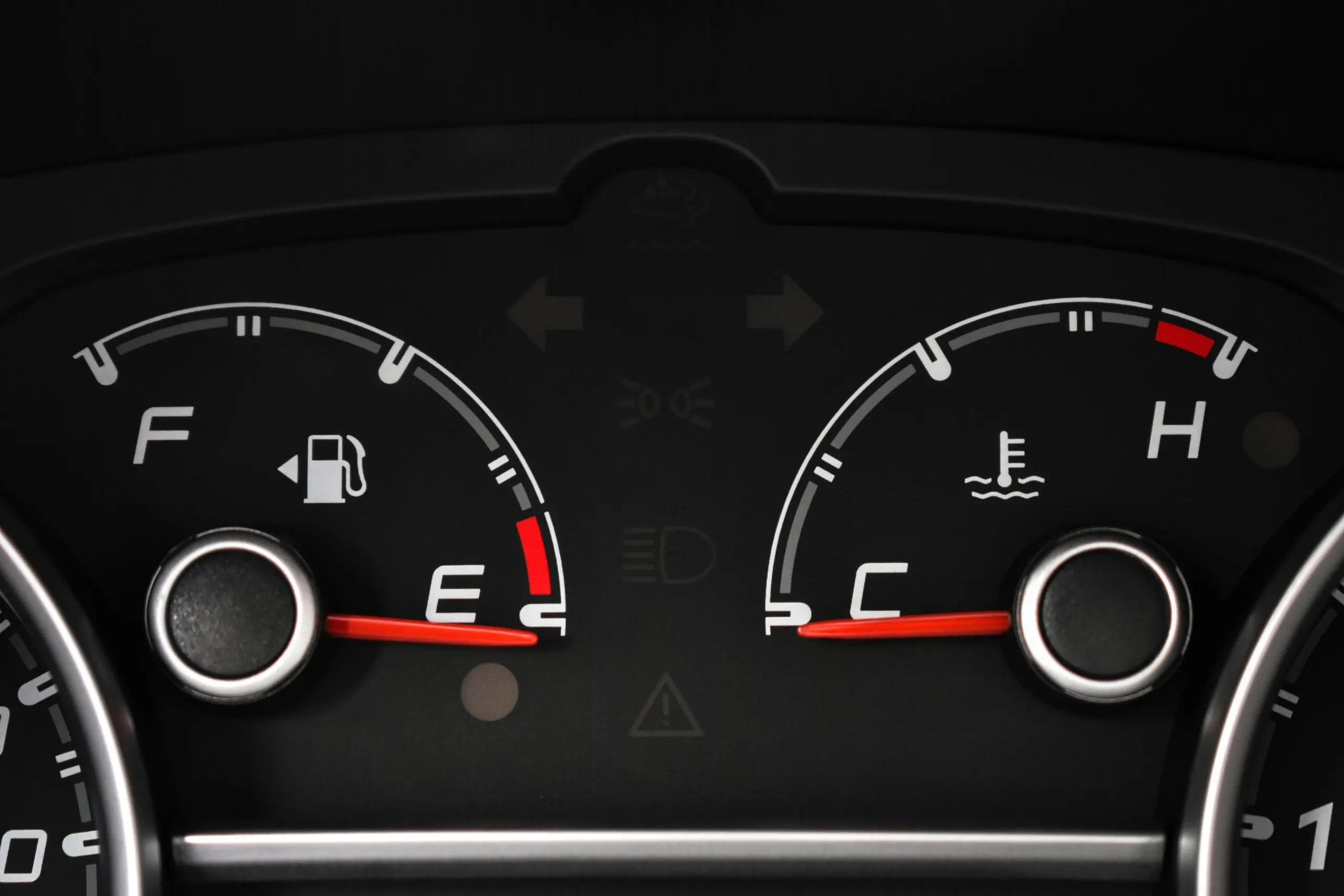
When the engine temperature light starts flashing, it’s your car’s way of shouting for help. Many drivers ignore this warning because the vehicle still feels like it’s running fine.
But a flashing temperature light is one of the most serious signals your car can give. If you keep driving without taking action, the engine can overheat, warp metal parts, blow the head gasket, or even fail completely.
Understanding what this warning means and how to respond can save you from costly repairs and sudden breakdowns.
What the Flashing Temperature Light Really Means
Your engine needs to stay within a safe temperature range to run smoothly. When the temperature rises beyond normal, a sensor triggers the light on your dashboard. A steady light usually means the engine is getting too hot.
But a flashing light is more urgent — it means the engine is dangerously overheating or losing coolant fast. At this point, heat can build up in seconds, causing serious internal damage.
This warning often happens because the cooling system isn’t doing its job. The cooling system keeps the engine from getting too hot by circulating coolant, removing heat, and sending it to the radiator. When any part of this system fails, the heat stays trapped, and the engine temperature rises quickly.
Common Reasons the Temperature Light Starts Flashing
There are several possible causes behind an overheating engine. Some are simple, while others require professional repair. These are the most common reasons the temperature warning flashes:
Low Coolant Level
Coolant absorbs heat from the engine. If the coolant level drops too low because of a leak or long-term evaporation, the engine cannot stay cool. Even a small leak can cause sudden overheating.
Failed Thermostat
The thermostat controls coolant flow. When it gets stuck closed, coolant can’t circulate, and the engine overheats fast.
Radiator Problems
A clogged radiator, damaged fins, or failing radiator fan prevents heat from escaping. This traps heat inside the engine and triggers the warning light.
Broken Water Pump
The water pump pushes coolant through the engine. If it fails, coolant stops moving, and the temperature spikes quickly.
Faulty Cooling Fan
The fan helps keep the radiator cool, especially in traffic or during slow driving. A broken fan motor, blown fuse, or bad relay can cause overheating during stop-and-go conditions.
What to Do When the Temperature Light Starts Flashing
When you see the flashing temperature warning, act immediately. The engine can get damaged in less than a minute if you continue driving.
Step 1: Pull Over Safely
Turn on your hazard lights and pull to the side of the road. Keep the engine running for a few seconds before turning it off so any remaining coolant can circulate.
Step 2: Turn Off the Engine
This stops heat from building up. Do not open the radiator cap while the engine is hot — the pressurized coolant can spray out and cause burns.
Step 3: Allow the Engine to Cool
Wait at least 15–30 minutes before checking anything. A safe temperature protects both you and your vehicle.
Step 4: Check the Coolant Level
If the coolant is low and you have extra coolant with you, refill to the proper level. Only do this when the engine is cool. If the coolant drops again, you likely have a leak.
Step 5: Restart and Monitor
After adding coolant and letting the engine cool down, start your vehicle and watch the temperature gauge. If the light flashes again, turn the engine off and call for professional help.
How to Prevent Overheating and Avoid Engine Damage
Overheating can destroy an engine, but the good news is that most overheating problems are preventable. With simple maintenance and good habits, you can keep your cooling system in good shape.
Check Coolant Regularly
Look under the hood at least once a month. Make sure the coolant level stays between the “MIN” and “MAX” markings on the reservoir.
Inspect Hoses and Connections
Cracked, weak, or leaking hoses cause coolant loss. If you notice drops of coolant under your car or smell something sweet, it may be leaking.
Flush the Cooling System
Most cars need a coolant flush every 2–5 years. Fresh coolant protects the engine better and helps prevent corrosion inside the radiator.
Monitor the Temperature Gauge
Pay attention to your dashboard while driving. If you notice the temperature creeping toward the hot zone, you may catch a problem before it gets worse.
Keep the Radiator Clean
Leaves, dirt, and debris can block airflow to the radiator. Cleaning the front grille and radiator area helps reduce overheating risk.
Replace the Thermostat or Water Pump on Time
These parts wear out over time. Replacing them according to your manufacturer’s schedule prevents sudden failures on the road.
Why You Should Never Ignore an Overheating Engine
Driving with a flashing temperature light is dangerous. Continuing to push the engine when it’s overheating can lead to:
- Warped cylinder head
- Cracked engine block
- Blown head gasket
- Total engine failure
These repairs can cost thousands of dollars and may even exceed the value of the car. A quick stop and basic check can prevent major damage.
Final Thoughts
A flashing engine temperature light is one of the most important warnings your car can give you. It means your engine is overheating and could face serious damage if you keep driving.
By understanding what causes this problem, responding quickly, and taking steps to maintain your cooling system, you can keep your engine running smoothly and avoid expensive repairs.
Staying alert and taking action at the first sign of overheating will protect your vehicle and keep you safe on the road.