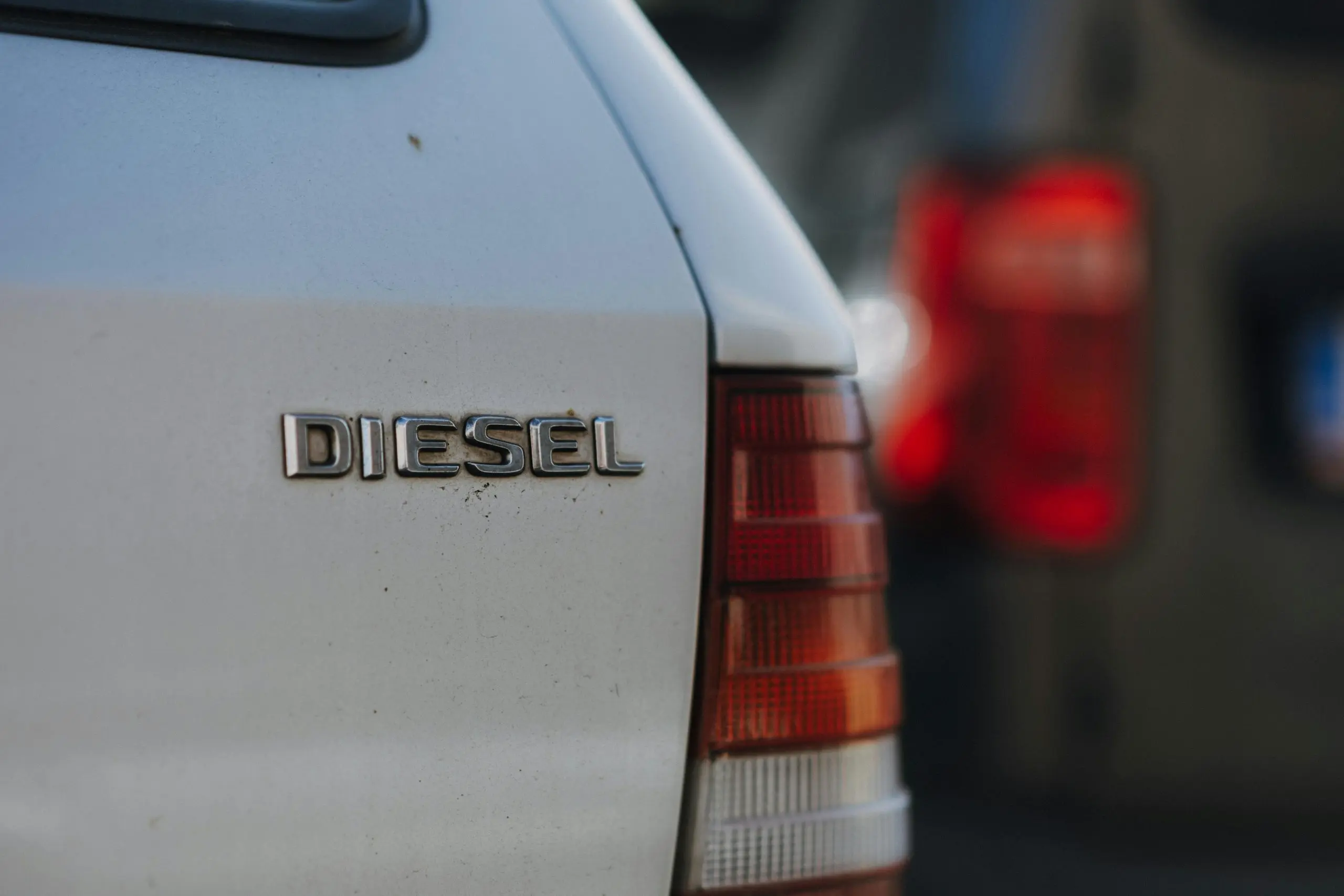
A diesel engine that struggles to start when it’s already warm can feel confusing and frustrating.
When the engine is cold, you expect a slow start. But when it’s hot and still refuses to fire up, it feels like something deeper is going on.
Hot-start problems usually point to fuel pressure loss, worn parts, weak sensors, or heat-soak issues that only show up once the engine reaches full operating temperature.
The good news is that mechanics deal with this problem all the time, and most of the causes are well-known and fixable.
This guide explains why a hot diesel engine can be hard to start, what mechanics check first, and how to get your engine running smoothly again.
Why Diesels Can Struggle When Hot
A diesel engine depends on high fuel pressure and precise timing. When the engine warms up, metal parts expand, sensors act differently, and the fuel system works under different pressures. If anything is weak or worn, you often see the symptoms only after the engine heats up.
Unlike cold-start issues, hot-start problems do not usually involve glow plugs. Instead, the trouble often comes from the injection pump, leaking seals, failing sensors, or pressure loss in the fuel system.
What Mechanics Check First
When you take your vehicle to a shop, mechanics follow a simple but effective order of diagnosis. They know that some parts often fail only when hot, so they test those areas before moving to deeper repairs.
Below are the main things a mechanic looks at right away.
1. Fuel Pressure When the Engine Is Hot
The number one cause of hot-start issues is low fuel pressure. When the engine warms up, worn pumps or leaking seals lose pressure. Diesel engines need strong, steady pressure to ignite fuel. If pressure drops, the engine spins but won’t start.
What mechanics do:
They connect a pressure gauge and watch how the system behaves after the engine reaches full temperature. If the pressure falls too low, they know there’s a pump or injector leak.
2. Weak or Failing Injectors
Diesel injectors are precise parts, and heat exposes any weakness. When injectors get worn, they let fuel drain back or they don’t spray correctly once hot. That makes the engine crank longer or not start at all.
What mechanics do:
They perform a leak-down test and watch injector balance rates. If one or more injectors are failing, they show uneven values when the engine is warm.
3. Injection Pump Wear
An injection pump can still work during cold starts but lose power when hot. Heat causes worn internal parts to expand and lose tolerances. This reduces fuel delivery at the exact moment the engine needs it to start.
What mechanics do:
They measure hot cranking pressure and inspect pump timing. If values fall outside the normal range, the pump likely needs repair or replacement.
4. Crankshaft or Camshaft Position Sensors
Hot-start problems often come from failing sensors that only glitch when heated. A weak crankshaft or camshaft sensor may read incorrectly once it reaches high temperature, causing slow or no starts.
What mechanics do:
They check live data with a scan tool. If signal drops or becomes erratic during warm operation, the sensor becomes the first suspect.
5. Air in the Fuel Lines
A small leak in the fuel system can let air enter the lines. When the engine is hot, the air expands and interrupts fuel flow. This makes the engine crank for a long time before starting.
What mechanics do:
They inspect fuel hoses, seals, O-rings, and the fuel filter housing. They also check for bubbles in the clear return line, which is a clear sign of air intrusion.
6. Failing High-Pressure Pump (Common Rail Engines)
Modern diesel engines use high-pressure common rail systems. When the high-pressure pump begins to fail, the issue first appears during hot starts. The pump cannot build enough pressure while cranking, so the engine never reaches ignition levels.
What mechanics do:
They check rail pressure during hot cranking. If pressure cannot reach the minimum required amount, the pump is worn inside.
7. Heat-Soaked Starter Motor
A weak starter gets worse as it gets hot. When heat builds up around the starter motor, it loses cranking speed. Diesel engines need strong cranking to fire. If the starter slows down even a little, the engine won’t start after a warm stop.
What mechanics do:
They test voltage drop and cranking speed. If the starter drags when hot but works fine when cold, replacement is usually required.
8. Low Compression When Warm
As engine parts heat up, worn cylinders or piston rings may lose compression. This problem does not always show during cold starts but becomes noticeable only once the engine has expanded from heat.
What mechanics do:
They perform a compression test or use a cylinder leak-down test. Low compression means the engine is not able to create the heat needed for combustion.
9. Fuel Temperature Sensor Issues
Modern diesel systems adjust fuel timing and delivery based on temperature. A bad fuel temperature sensor sends wrong signals, causing the engine to inject too much or too little fuel during hot restarts.
What mechanics do:
They scan for fault codes and watch fuel temp readings. If the numbers jump or don’t match actual temperature, the sensor is faulty.
10. ECU Heat Problems
Engine control units rarely fail, but when they do, they often fail under heat. A warm ECU may stop sending correct timing or fuel commands.
What mechanics do:
They inspect wiring, grounds, and live data. If everything checks out but hot-start issues remain, ECU testing may follow.
How to Fix Hot-Start Problems
Most hot-start issues trace back to fuel pressure loss. The fix depends on the exact cause:
- Replace worn injectors or seals
- Repair or replace a weak injection pump
- Fix air leaks in fuel lines or filter housing
- Replace a faulty crankshaft or camshaft sensor
- Install a new starter if heat-soaked
- Repair worn internal engine parts if compression is low
A full diagnosis prevents wasting money on unnecessary repairs.
Final Thoughts
When a diesel engine is hard to start when hot, it’s usually a sign of pressure loss, heat-related wear, or electrical issues. Mechanics always check fuel pressure, injectors, and sensors first because these are the most common and the easiest to diagnose. With proper testing, the problem can be found quickly, and most of the time, the fix is straightforward.
A hot-start issue shouldn’t be ignored. The sooner you diagnose it, the easier it is to avoid bigger repairs later.